


Gold vs. Gold-Plated Jewellery: What You’re Really Paying For
If you’ve ever stood in front of a jewellery display (or scrolled way too long on a jewellery website) trying to figure out why one gold necklace is $50 while an identical-looking one is $400, this one’s for you.
The answer is basically always the same: how much actual gold is in the piece.
Gold-Plated: The Glow-Up on a Budget
Gold-plated jewellery is exactly what it sounds like. A base metal (usually brass, copper, or sometimes silver) gets dipped in a bath and given a super thin coating of real gold through a process called electroplating. Essentially, an electric current pulls the gold particles onto the surface of the metal so it bonds to it. This layer is extremely thin; usually somewhere between 0.5 and 3 microns thick. It’s there to give you that gold look and feel without the gold price tag.
This is the whole appeal of gold-plated jewellery. You get the colour, the shine, the statement wear for a fraction of the cost. It’s perfect for trend pieces you’re not 100% sure you’ll wear in five years, or just building out a collection with minimal spending.
The downside of gold-plated jewellery is that the thin gold layer wears down over time. Depending on how often you wear it, how it reacts to your skin, and whether it’s getting hit with lotion, perfume, or water on a regular basis, the gold can start rubbing off and showing the base metal underneath. Some people also notice a bit of skin discolouration (a green tinge) once the plating thins out, especially with pieces that use copper underneath.
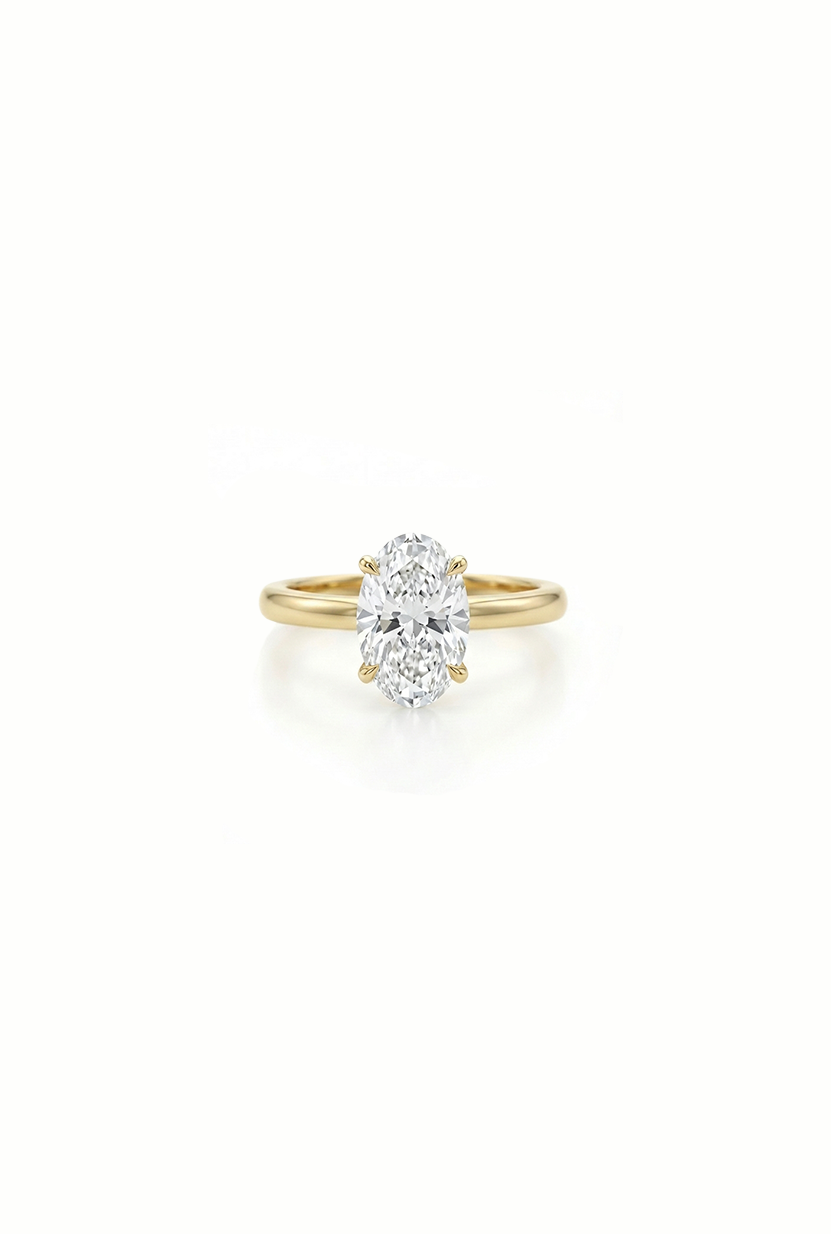
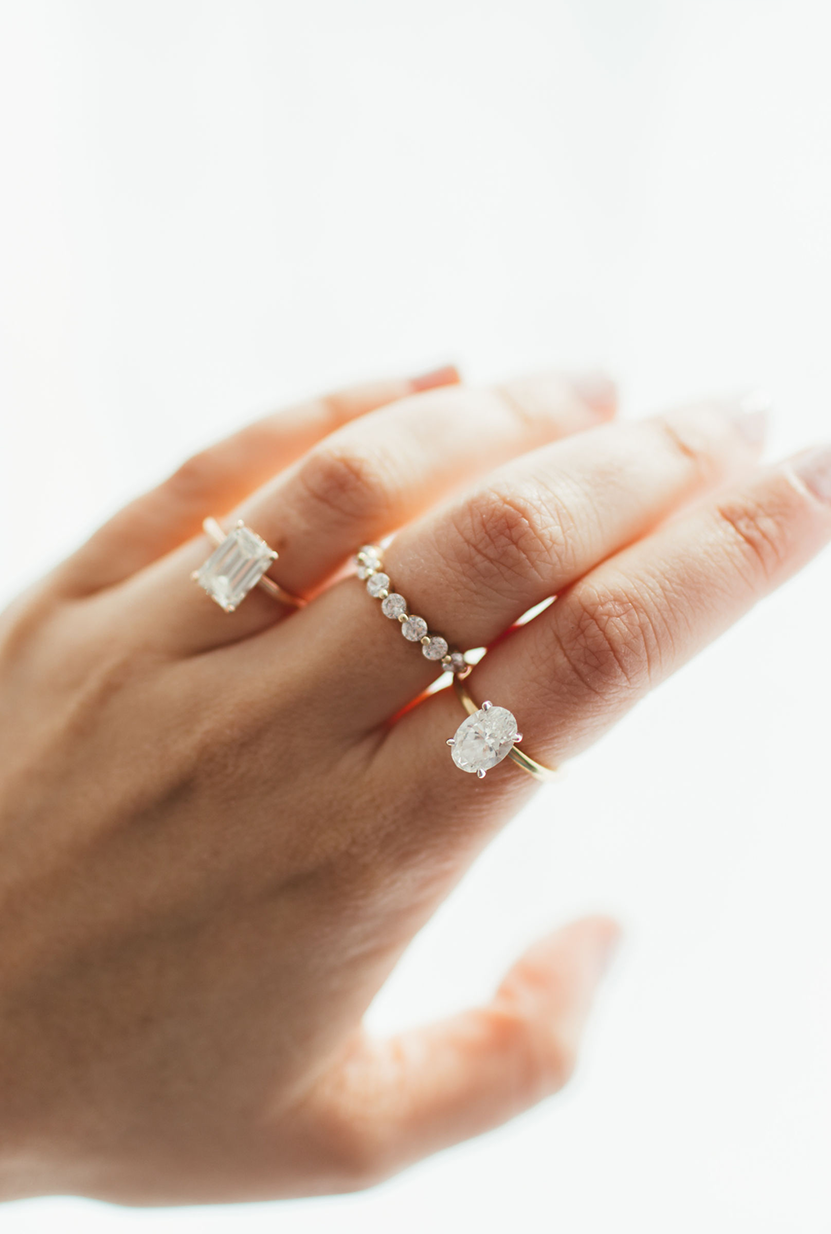
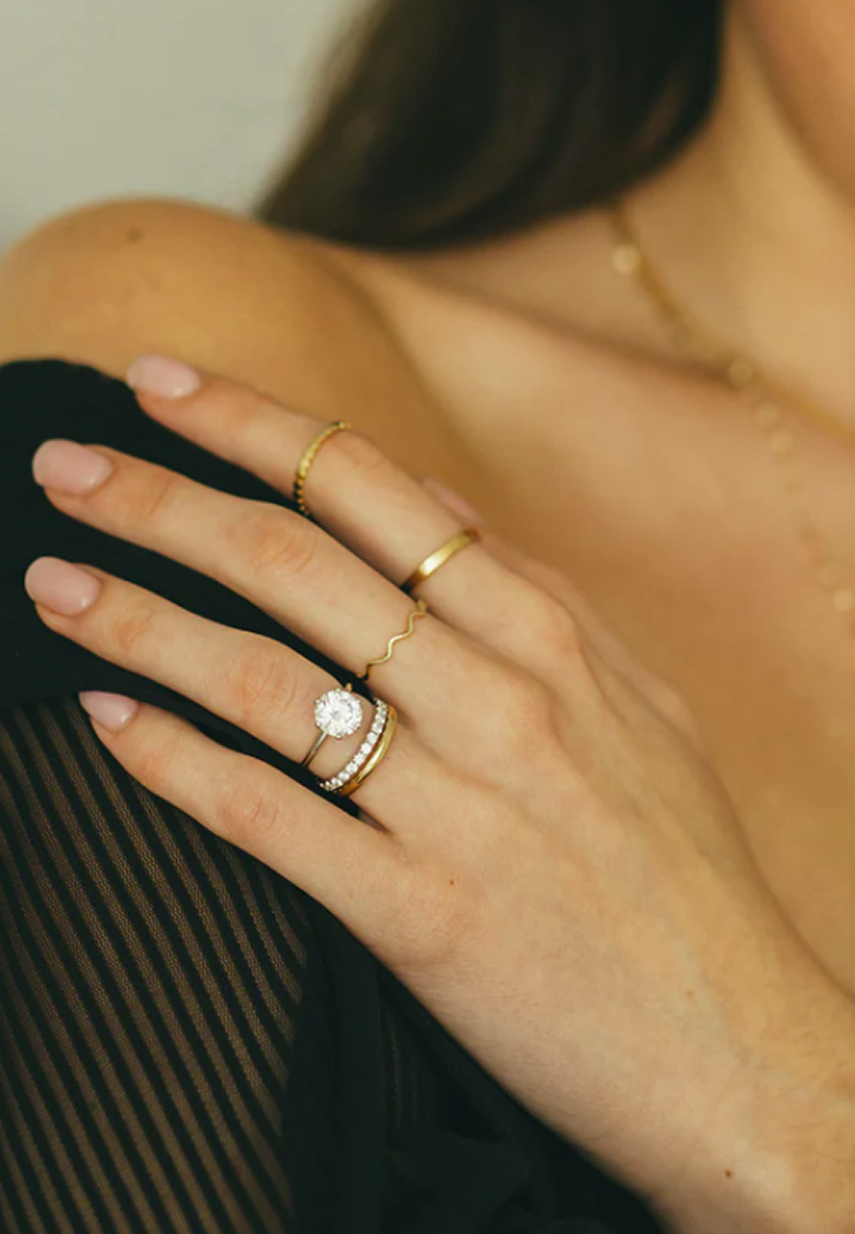
At Jessica Jewellery, we only create solid gold pieces.
Solid Gold: The One You Keep Forever
Solid gold jewellery isn’t coated in anything. It is the metal, mixed with other alloys to make it strong enough to wear. Pure 24K gold on its own is way too soft for daily jewellery, so you’ll find that pieces are blended to give it enough strength. This is where karats come in.
24K ~ 99.9% pure gold
18K ~ 75% pure gold
14K ~ 58% pure gold
10K ~ 42% pure gold
The higher the karat, the more gold, the higher the price, and generally the deeper the yellow colour. Most everyday fine jewellery sits at 10K or 14K because it is durable yet still rich in gold colour.
Because there’s no coating to wear away, solid gold basically doesn’t tarnish. It might pick up a scratch or become a bit dull on the surface, but a polish brings it right back.
Which One Should You Go With?
It really depends on what you’re using it for.
Go gold-plated if:
- You want to try a trend before committing
- It’s for an occasion or a “just for now” piece
- Budget is the main thing on your mind
-
You’re not planning to wear it every single day
Go solid gold if:
- It's an everyday piece, like those rings, hoops, or necklaces you never take off
- You have sensitive skin or metal allergies
- You want something that’ll actually last and maybe even get handed down
- You care about resale or long-term value (gold holds its worth, plating doesn’t)
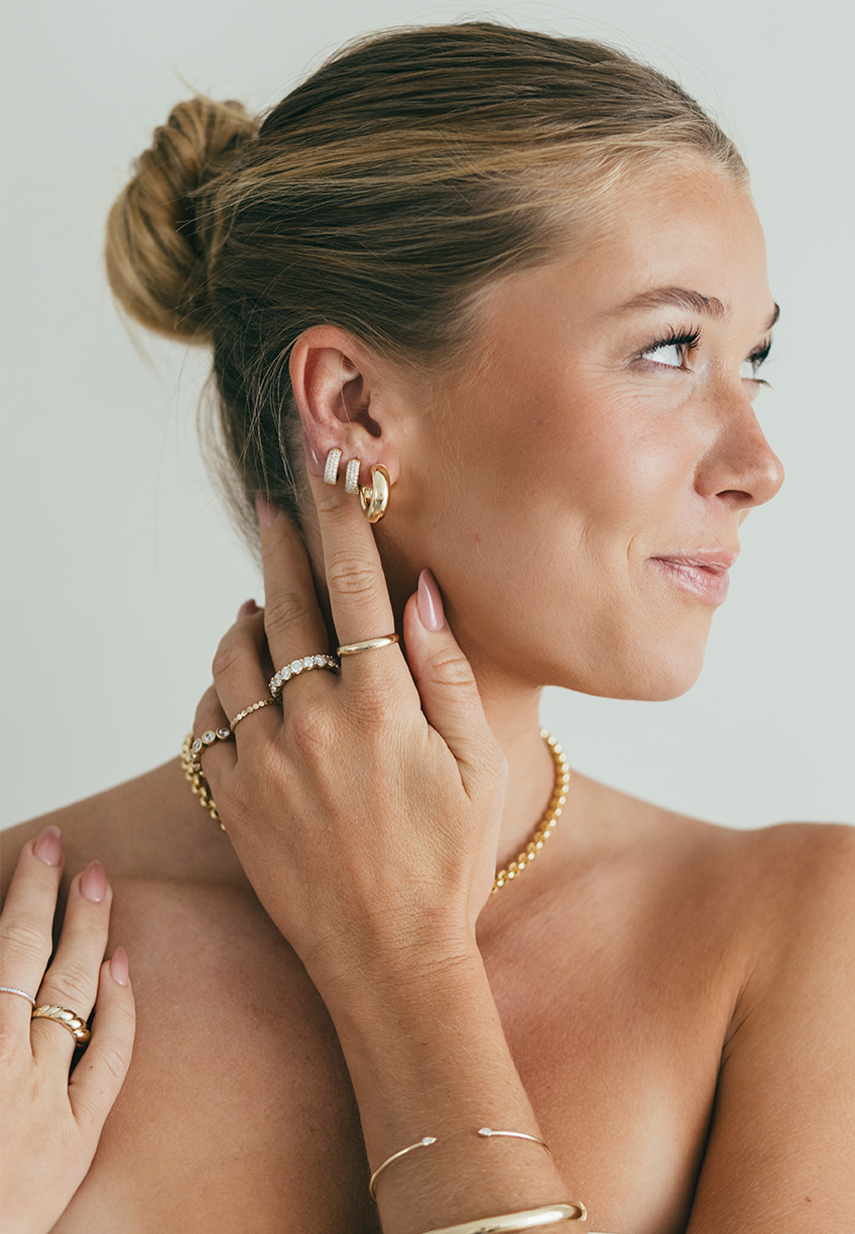
My name is Kymanna, and I just started working for Jessica Jewellery. At 23 years old, I’m looking for dainty, everyday-wear jewellery. Here are my top picks for you:
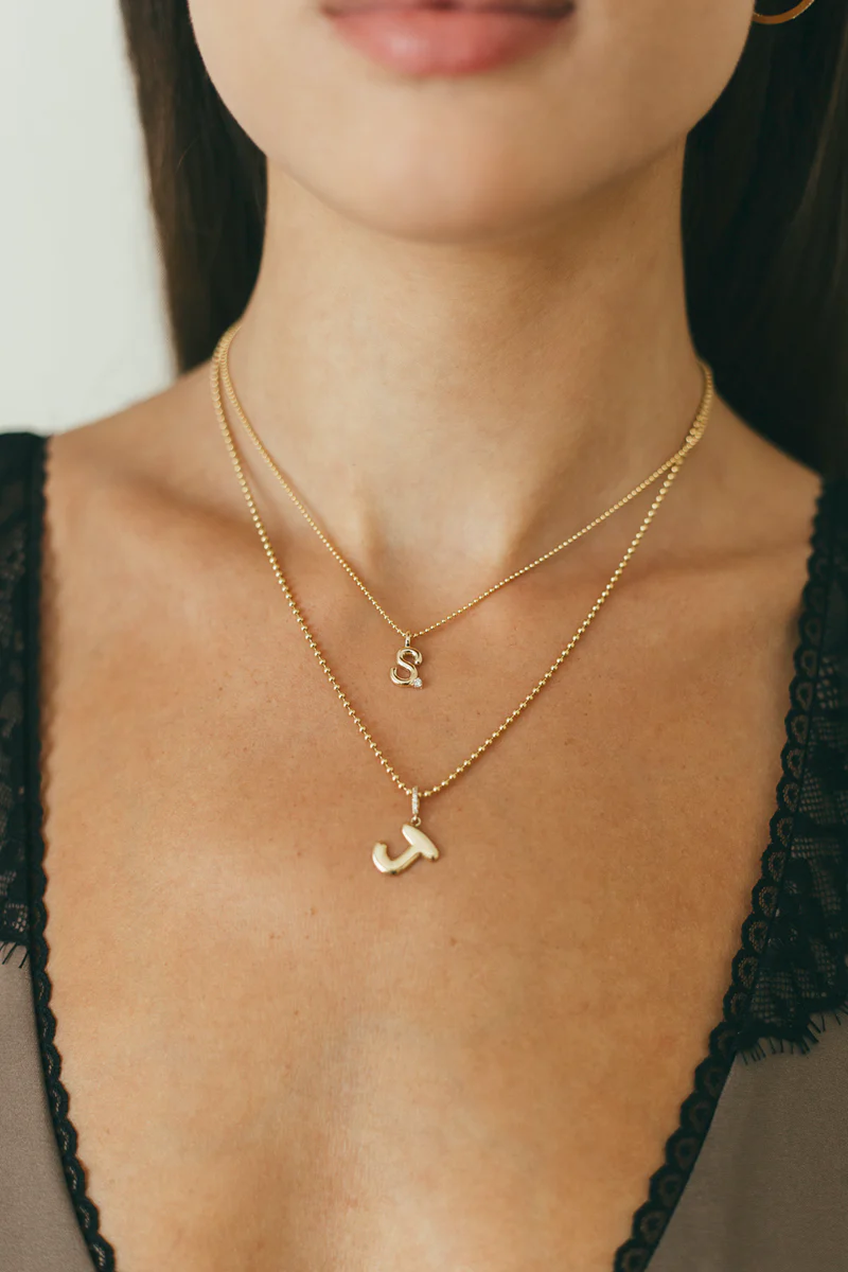
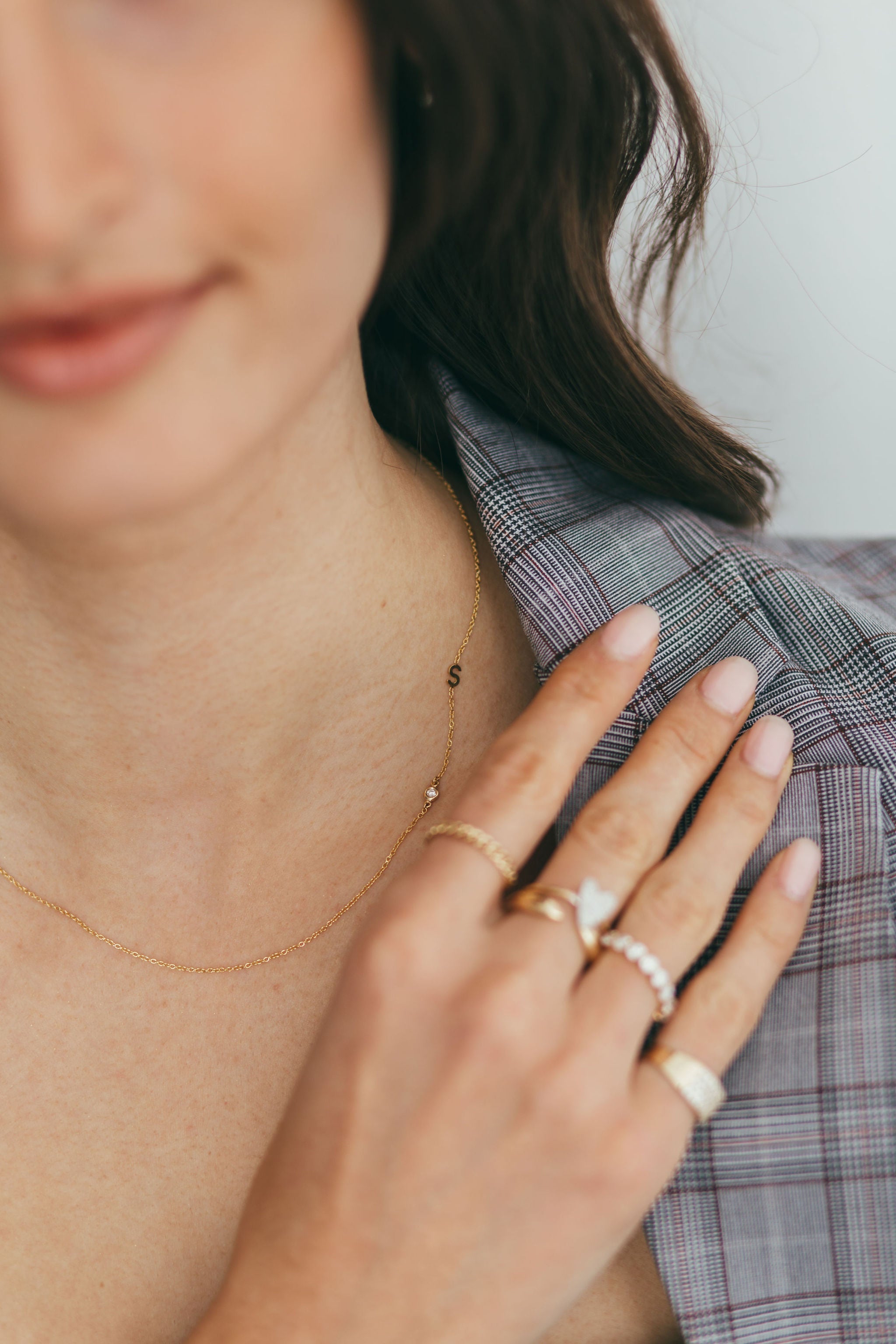
Our 14K Gold Initial and Diamond Necklace, a simple yet versatile piece to go with any outfit.
Our 14K Gold Diamond Huggie Earrings with a Pearl Drop, a more sophisticated pair of diamond huggies.
Our 14K White Gold Dangling Diamond Bezel Bracelet, an elegant piece to layer with other bracelets.
%20trying%20to%20figure%20out%20why%20one%20gold%20necklace%20is%20$50%20while%20an%20identical-looking%20one%20is%20$400,%20this...)
Leave a comment
This site is protected by hCaptcha and the hCaptcha Privacy Policy and Terms of Service apply.